Virtual Simulations Steering Success Across Blackjack's Expanding Tournament Landscape
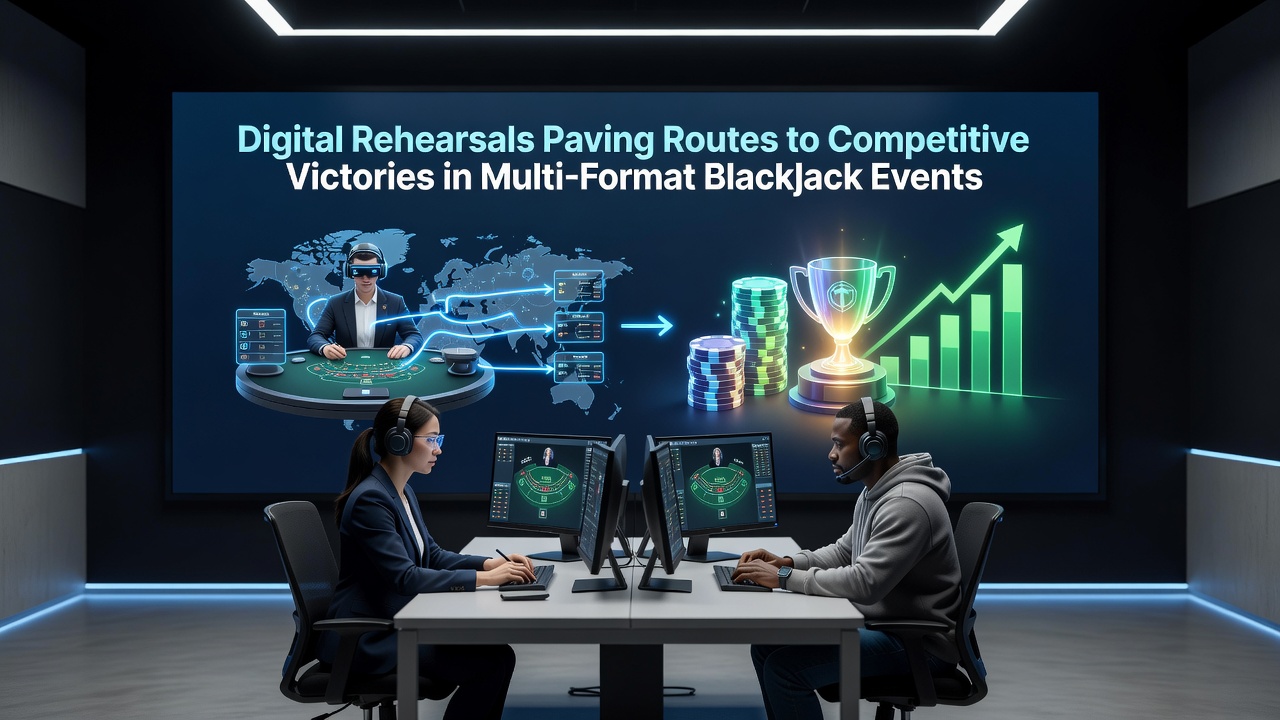
Digital rehearsal platforms have become central fixtures in preparation routines for players entering multi-format blackjack competitions that blend live dealer tables with online variants and regional rule sets. These tools replicate specific conditions such as deck penetration rates, dealer hit-or-stand protocols, and side bet structures while allowing repeated practice cycles that mirror actual tournament pacing and pressure scenarios. Data from industry reports indicate rising adoption rates among competitors who must switch between single-deck, double-deck, and multi-deck formats within the same event series.
Core Mechanics Behind Simulation Effectiveness
Simulation software runs thousands of hands per minute using algorithms that adjust for house rules drawn from different jurisdictions, and users track metrics like expected value shifts when surrender options or doubling restrictions come into play. Players load custom modules for events scheduled in July 2026 that incorporate progressive jackpot side bets or continuous shuffle machines, then review session logs to identify pattern deviations. Research from the University of Nevada Reno Center for Gaming Research shows that structured virtual sessions correlate with measurable improvements in decision speed during live play, particularly when formats require rapid adaptation to European no-hole-card rules versus American hole-card procedures.
Adapting Strategies Across Tournament Variants
Multi-format events often combine speed tables with traditional formats, forcing competitors to recalibrate bet spreads and deviation indices on the fly. Digital rehearsals let users toggle between Hi-Lo, KO, and Red Seven counting systems while simulating table minimums that escalate during final rounds. Observers note that those who rehearse transitions between formats reduce errors in real events by significant margins according to aggregated tournament data. One documented case involved a player who used targeted modules to master insurance correlations in high-count situations across three distinct rule sets before securing placement in a cross-regional series.
Integration With Regulatory and Event Data
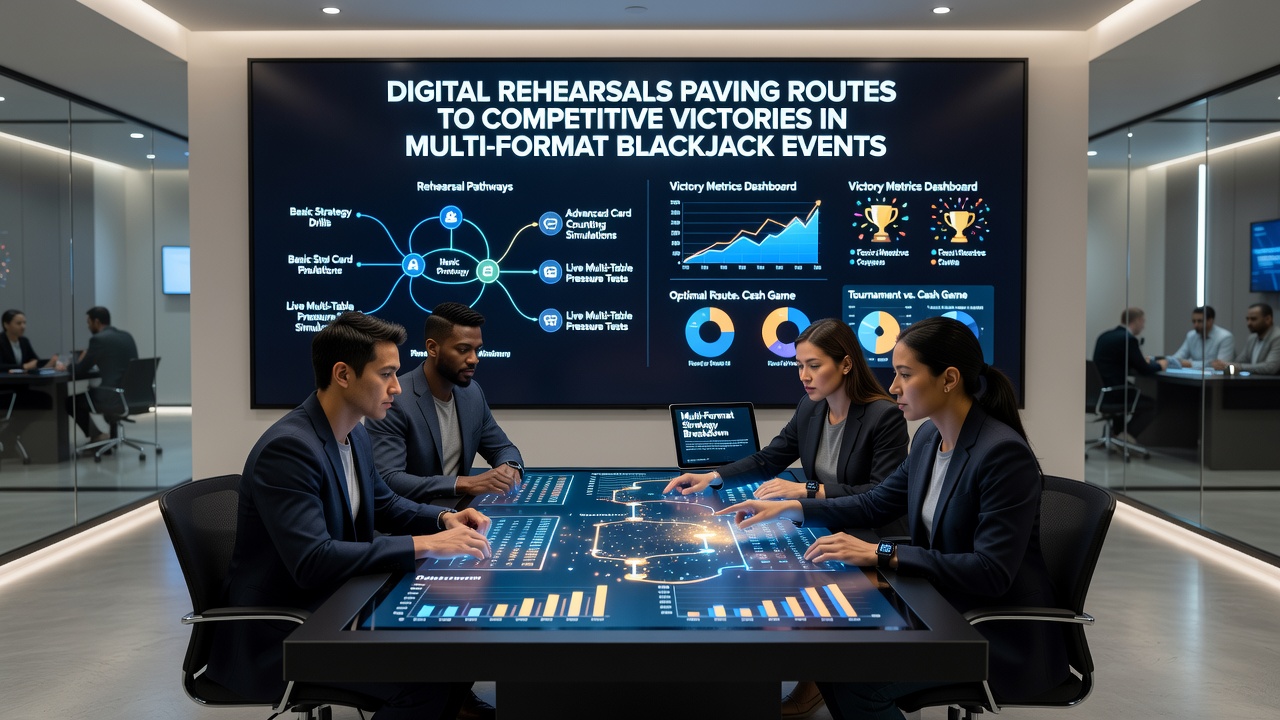
Event organizers draw on statistics compiled by the Nevada Gaming Control Board to set format parameters that reward precise bankroll allocation and risk management. Competitors cross-reference these figures within rehearsal environments to test survival strategies under varying table limits. Platforms also incorporate feeds from Canadian provincial reports that track live tournament outcomes, allowing users to align virtual drills with documented payout distributions from prior seasons. This cross-referencing process supports preparation for July 2026 gatherings where mixed online and land-based rounds appear on the same schedule.
Training Patterns Observed in Recent Cycles
Players frequently dedicate blocks of time to isolated rule clusters before layering in time pressure and multi-table simulations. Sessions begin with baseline strategy drills, then progress to scenarios that insert random rule changes mid-hand to replicate bracket adjustments common in international circuits. Figures from academic studies on game theory applications reveal that consistent rehearsal reduces variance in final bankroll outcomes when competitors face unfamiliar regional variants. Those preparing for upcoming multi-format series integrate video review of past tournament hands alongside software outputs to refine timing on critical decisions such as late surrender or resplit protocols.
Future Trajectories for Competitive Preparation
Developments in cloud-based rehearsal environments continue to expand access to real-time rule databases that update ahead of scheduled events. These systems allow seamless switching between formats without manual reconfiguration, and they log performance across thousands of iterations for later analysis. Industry associations tracking global participation trends report sustained growth in virtual training hours logged by entrants in diverse blackjack circuits. As July 2026 events approach, the pattern suggests further embedding of simulation routines into standard preparation protocols across multiple regions.
Conclusion
Digital rehearsal systems supply structured pathways for competitors navigating the layered demands of multi-format blackjack events through repeatable practice aligned with documented rule variations and outcome data. Integration of regulatory statistics alongside academic research supports targeted skill refinement that aligns with observed performance patterns in live settings. The approach continues to evolve alongside tournament structures that blend digital and physical elements into unified competition frameworks.