Timing the Shuffle: How Frequency Adjustments Alter Player Expectations in Regulated Card Rooms
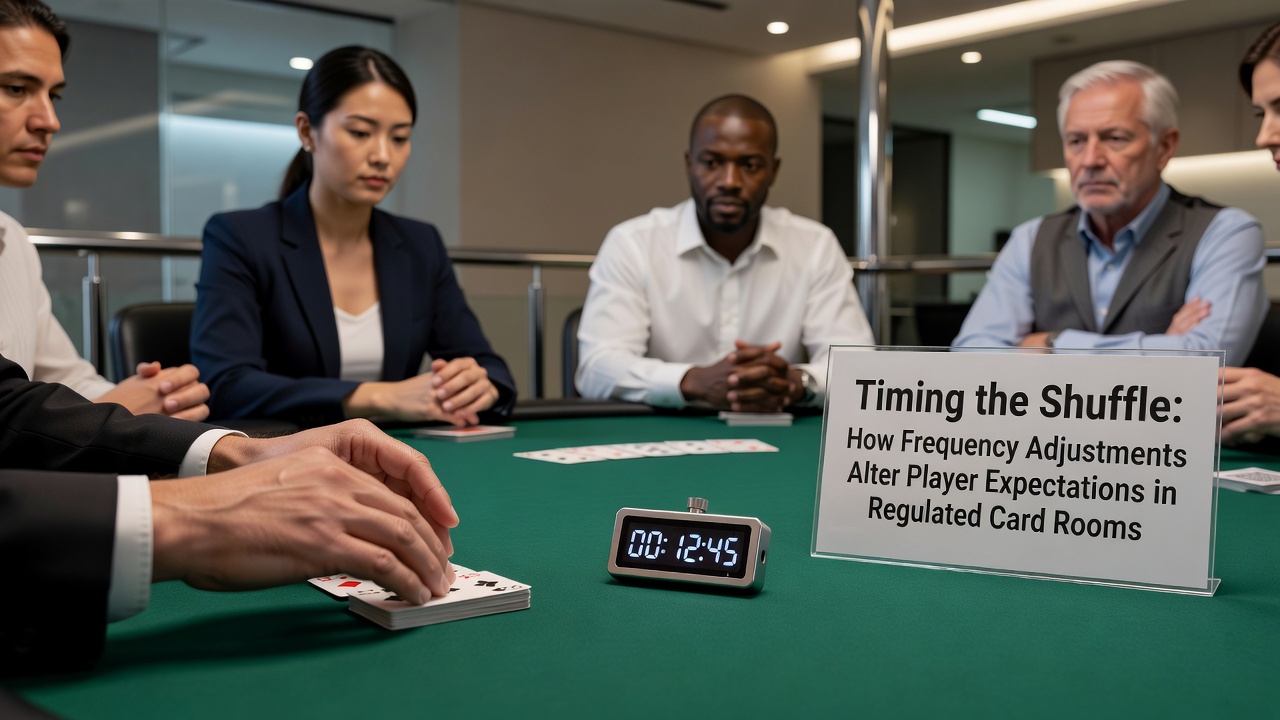
Regulated card rooms adjust shuffle frequency to balance game pace with operational requirements, and these changes directly influence how players anticipate outcomes and manage their sessions. Data from multiple jurisdictions shows that intervals between shuffles range from every hand in continuous shuffle machines to every six or seven decks in manual procedures, creating measurable shifts in table dynamics. Observers note that when facilities shorten these intervals, the average hands per hour increases while opportunities for tracking specific card sequences decrease.
Mechanics of Shuffle Timing in Live Play
Dealers in regulated environments follow strict protocols that dictate when to gather cards and randomize them, often based on penetration rules set by management or oversight bodies. Research indicates that a typical multi-deck shoe reaches 75 percent penetration before a shuffle in many American venues, yet some operators have moved this threshold lower to limit prolonged exposure of remaining cards. Those adjustments alter the rhythm of play because players must adapt their betting patterns to shorter cycles rather than extended sequences.
Continuous shuffle machines eliminate traditional breaks entirely by returning discarded cards to the deck immediately, which studies from gaming laboratories have linked to reduced variance in short-term results. Facilities using these devices report steadier hand counts per hour, and regulators in Nevada have documented corresponding changes in player dwell time at tables. The reality is that such technology compresses decision windows, prompting participants to recalibrate expectations around speed instead of sequence memory.
Impact on Anticipated Edge and Session Planning
Players often enter card rooms with preconceptions about how long a shoe will last and how that duration affects potential returns. When operators increase shuffle frequency, those preconceptions encounter data showing narrower windows for advantage play techniques. Figures from the Nevada Gaming Control Board reveal that tables with shuffles every four decks experience lower average bet sizes compared with deeper penetration setups, as participants adjust wagers to account for truncated information flow.

Academic analyses from the University of Nevada, Reno have examined how these timing shifts modify perceived game value. One study tracked session lengths across venues and found that more frequent shuffles correlate with earlier exits by certain segments of the player base, while recreational participants extend their time because the quicker resets maintain engagement. What's interesting is that expectations around fairness also evolve, since randomized resets at shorter intervals reduce visible streaks that some associate with favorable conditions.
Regulatory Frameworks and Operational Adjustments
Government agencies across regions enforce standards that indirectly shape shuffle policies through minimum game integrity requirements. In June 2026, several Canadian provinces plan updated technical standards for electronic shuffle devices that will require real-time logging of randomization events, giving regulators finer oversight of frequency changes. These rules build on existing frameworks from bodies like the Alcohol and Gaming Commission of Ontario, which already mandate documented procedures for both manual and automated systems.
Industry reports compiled by the Canadian Gaming Association highlight how operators respond to such regulations by piloting variable shuffle schedules during off-peak hours. Data shows these trials produce distinct patterns in table occupancy, with players gravitating toward rooms that advertise consistent timing to support predictable bankroll pacing. Yet the same reports note that abrupt frequency increases can prompt shifts in table selection as participants seek environments matching their preferred tempo.
Player Behavior Patterns Across Jurisdictions
Comparative data from Australian gaming venues demonstrates that regulated card rooms advertising fixed shuffle intervals attract a measurable portion of repeat visitors who plan sessions around those schedules. Researchers tracking behavior there observed that when frequency rises unexpectedly, average wager amounts decline temporarily until new norms establish themselves. Similar patterns appear in European markets where oversight emphasizes transparency in procedural changes.
Those who've studied table traffic patterns emphasize that communication of timing adjustments plays a central role in stabilizing expectations. When facilities post notices or train staff to explain new intervals, the transition period shortens and players resume normal betting volumes more rapidly. The writing's on the wall that clear information flow helps regulated environments retain engagement even after procedural updates.
Conclusion
Shuffle frequency adjustments in regulated card rooms produce measurable effects on session length, wager sizing, and perceptions of game structure, according to data from multiple oversight sources. As operators implement changes driven by technology or compliance updates, player expectations adapt through observable shifts in participation metrics. Continued monitoring by regulatory bodies and research institutions will track how these dynamics evolve in coming years.