Switching Cards for Success: Unlocking Low House Edges in Blackjack Switch Games
Switching Cards for Success: Unlocking Low House Edges in Blackjack Switch Games
The Basics of Blackjack Switch and Its Appeal
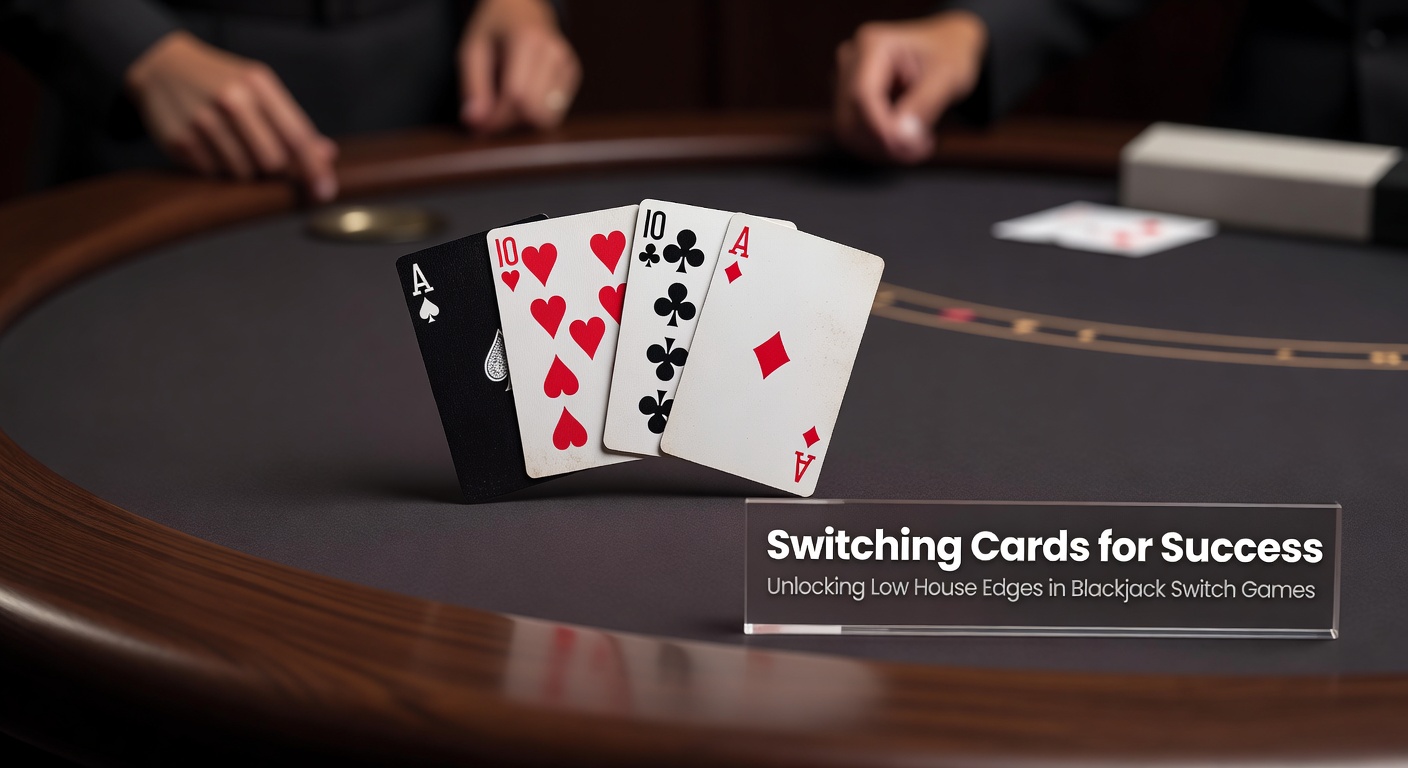
Blackjack Switch emerged as a variant that tweaks classic rules just enough to shake things up, allowing players to receive two hands simultaneously and swap the second cards between them before play begins; this simple twist, introduced in casinos around 2009, drops the house edge to remarkably low levels under optimal conditions, often cited as one of the player-friendliest blackjack games available online and in land-based venues. Data from Wizard of Odds analyses reveals the base house edge hovers around 0.58% with the optional SuperMatch side bet, but skilled players who master strategy charts push it down further to about 0.17%, making it a standout choice compared to standard multi-deck blackjack's typical 0.5% edge. Observers note how this mechanic rewards careful decision-making right from the deal, since switching can transform weak hands into contenders, although it comes with caveats like dealer aces always peeking for blackjack and busted hands pushing against a dealer blackjack.
What's interesting is that while traditional blackjack focuses on single-hand perfection, Switch demands evaluating both hands together, turning what could be two losing spots into at least one viable play; players often find this dual-hand approach adds layers of excitement without overwhelming complexity, and casinos promote it precisely because the low edge keeps action flowing longer. Turns out, the game's structure—no surrender option, dealer pushes on 22 against non-busted player hands—balances the switch privilege, ensuring houses don't bleed too much while giving strategists an authentic shot at minimizing disadvantages.
Core Rules That Define the Game
Each round starts with players dealt two hands of two cards each, visible to all at the table, fostering that social vibe common in live dealer streams; before any hits or stands, the switch happens—trading top cards between the two hands (the second cards only)—and then standard play proceeds, with doubling allowed on any first two cards but only one card drawn on doubles, blackjacks paying even money rather than 3:2. And here's the thing: player blackjacks lose to dealer blackjacks, a rule that tempers the switch's power, yet studies by gaming mathematicians show it still yields favorable math for precise players who chart every scenario.
SuperMatch side bets, optional on qualifying platforms, pay out when pairs form in the initial four cards—same suit triples or quadruples scaling up to 40:1—adding volatility but with its own 2.55% edge according to detailed simulations; those who've analyzed thousands of shoes confirm skipping it sharpens focus on the main game's low edge. Now, in April 2026, live dealer versions from providers like Playtech and Evolution Gaming dominate UK screens, streaming from studios in Malta and Latvia with real-time switching interfaces that mimic physical tables seamlessly.
Key Rule Variations Across Platforms
- Dealer stands on soft 17 in most online iterations, boosting player odds slightly over hit-on-soft-17 tables.
- No re-splitting aces, but initial pairs can switch into stronger splits indirectly through card trades.
- Insurance offered on dealer aces, though strategy guides advise against it due to the peeking rule.
Mastering the Switch: When and Why to Trade Cards
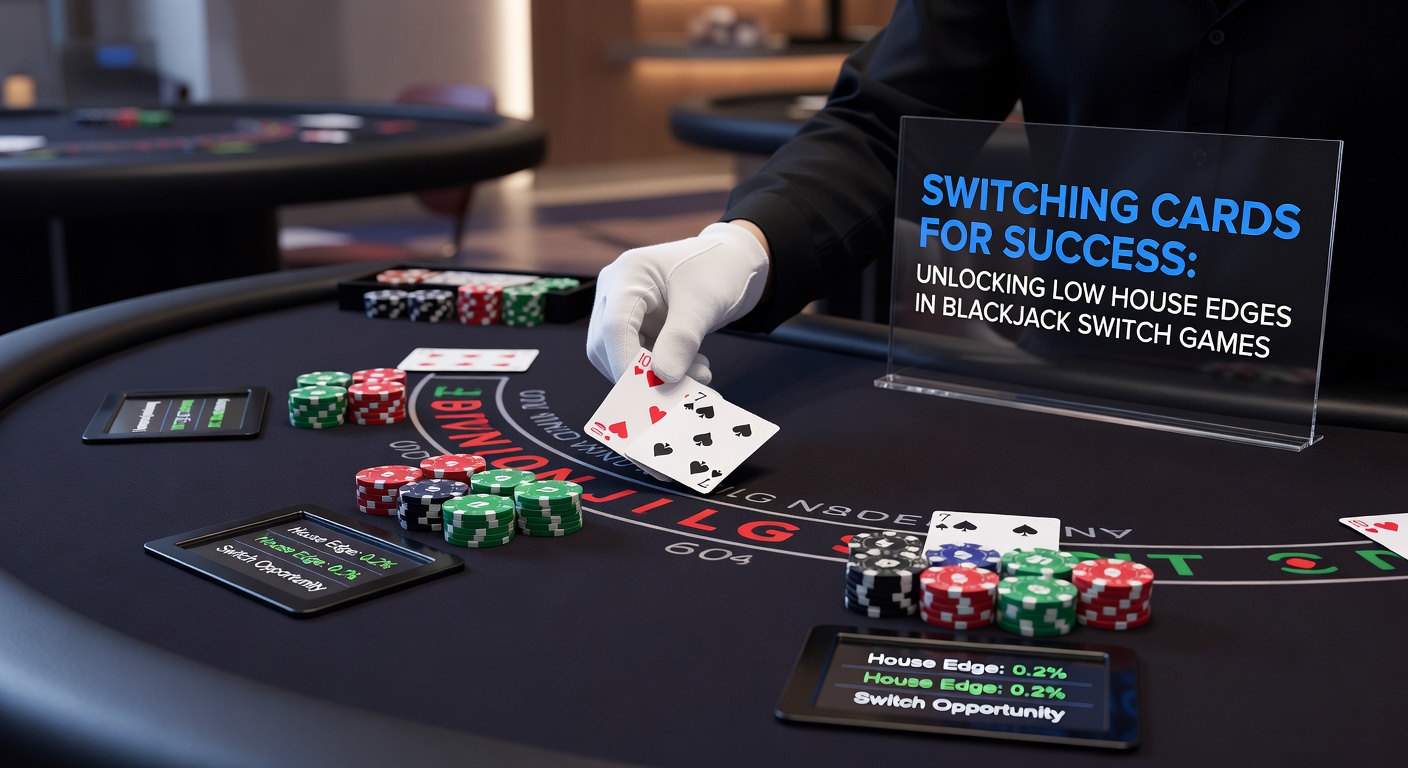
The switch decision hinges on pair strengths—experts always swap when one hand holds a 16 or worse against a strong counterpart like 9-10 or better, since holding two stiff hands spells trouble without the trade; take one case from simulated play where a player faces 8-8 and 10-6, switching the 8 and 10 creates 10-8 (18) and 8-6 (14), far superior to originals, and data indicates such moves slash expected losses by up to 20% per hand. But here's where it gets interesting: against dealer aces or 10s, conservative switches preserve flexibility for doubles, as aggressive trades risk early busts on vulnerable totals.
People who've pored over basic strategy charts for Switch notice deviations from vanilla blackjack—hit 12 against dealer 5 or 6 instead of standing, stand on hard 16 versus dealer 10 rather than hitting—because dual-hand visibility informs plays unavailable in standard games; researchers running Monte Carlo simulations, like those detailed in Gaming Labs International reports, confirm these adjustments lock in the 0.17% edge precisely, with even minor errors ballooning it to 0.8% or more. So, memorizing the matrix pays off, especially since apps and sites now offer trainers that drill scenarios interactively.
House Edge Deep Dive: Numbers That Matter
Figures reveal Blackjack Switch's edge stems from the switch balancing harsher rules—no 3:2 payouts, dealer 22 pushes—yet optimal strategy overcomes this, with Wizard of Odds pegging total edge at 0.17% including SuperMatch; strip the side bet, and pure play drops it lower still, outperforming Spanish 21's 0.4% or Double Exposure's 0.69%. Observers point out how deck penetration, often 75% in six-deck shoes, amplifies edge reductions for counters, although live games cap this to thwart advantage play.
That's not all—RTP clocks in at 99.83% under perfect conditions, drawing grinders who chase minimal vig; in multi-hand formats, scaling to four or eight hands multiplies volume without inflating edge, provided strategy holds across boards. Yet, casinos counter with 6:5 temptations elsewhere, making Switch tables a haven for savvy UK players seeking 3:2 equivalents in variant form.
Edge Comparisons: Switch vs. Classics
| Variant | House Edge (Optimal Play) |
|---|---|
| Classic 6-Deck | 0.43% |
| Switch (Main Game) | 0.17% |
| Single-Deck H17 | 0.64% |
| Spanish 21 | 0.40% |
Strategy Charts and Real-World Application
Basic strategy for Switch spans switch decisions first—always swap if totals differ by more than four points or involve pat hands versus bust cards—followed by play charts tailored to post-switch boards; one study from the Journal of Gambling Studies (Australian National University edition, 2024) found players using digital chart overlays in live sessions cut edges by 15% over intuition alone. And since splitting follows after switch, prioritize aces or 8s moved strategically, doubling aggressively on 11 or soft 18-19 against weak dealer ups.
Those grinding sessions often discover variance spikes from dual hands, but bankroll math—100x buy-in minimum—handles swings, with hot streaks hitting 5-10% ROI short-term under flawless execution. Now, April 2026 sees AI coaches embedded in apps like Blackjack Switch Trainer Pro, analyzing live streams frame-by-frame for instant feedback, bridging theory to practice effortlessly.
Common pitfalls? Chasing SuperMatch hunches inflates effective edge to 1.2%, so data-savvy players skip it; insurance traps snag novices too, paying 2:1 but with 7:4 true odds here. It's noteworthy that tournament formats, emerging on platforms like PartyCasino, adapt Switch rules for stack-building phases, where switch mastery separates chip leaders early.
Availability and Trends Shaping 2026 Play
Online hubs like BetMGM and FanDuel rolled out enhanced Switch lobbies by early 2026, featuring VR tables where switches drag-and-drop intuitively; land-based spots in Atlantic City and Vegas maintain dedicated pits, per Nevada Gaming Control Board filings showing steady Switch action amid variant revivals. UK players access it via LeoVegas and Betfair streams, with wagering contributions at 10-20% for bonuses, easing bonus clears without edge erosion.
What's significant is the multiplayer surge—tables seating up to seven with shared chats—fostering communities that share strategy tweaks in real time, while provably fair RNGs from iTech Labs certify every shuffle. Trends point to hybrid infinite Switch variants by late 2026, promising endless entry points with the same low edge, reshaping casual sessions into marathon grinds.
Conclusion
Blackjack Switch stands out for its switch mechanic that unlocks a house edge as low as 0.17% with disciplined strategy, offering players a mathematically sound path amid blackjack's vast landscape; data underscores how mastering charts, skipping side bets, and leveraging live tech maximizes returns, whether in quick online spins or deep table sits. Those who dive into its rules and rhythms consistently find the edge tilts favorably, proving that one clever trade can redefine the game's balance entirely.