Regulatory Licensing Structures Determining Blackjack Variant Offerings on UK Digital Platforms
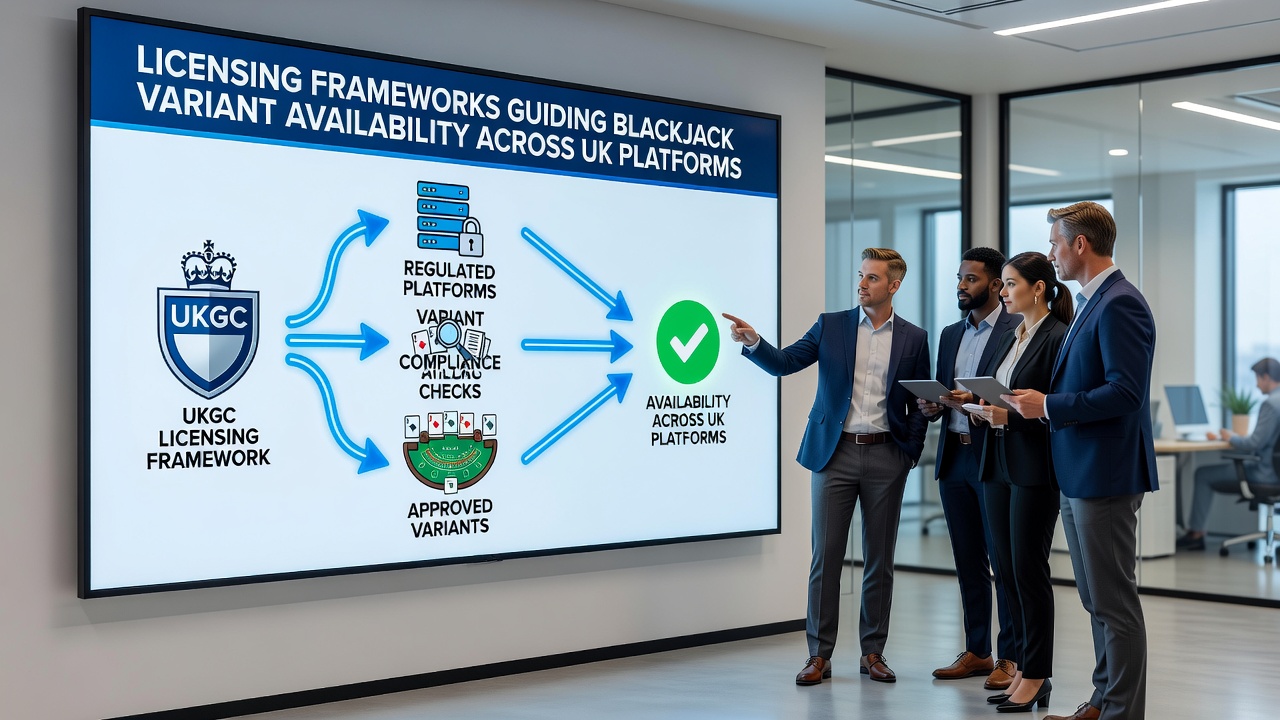
UK online gaming platforms operate under licensing frameworks that directly control which blackjack variants appear in their game libraries, and these rules stem from a combination of national legislation along with international standards that operators must satisfy before offering games like Spanish 21 or Pontoon to domestic players.
Operators obtain remote gambling licences that include specific conditions on game mechanics, payout structures, and house edge limits, which in turn restricts or permits certain rule sets such as single-deck formats or games with surrender options while platforms must demonstrate compliance through regular audits conducted by approved testing laboratories.
Core Components of the Licensing Process
Each licence application requires detailed submissions about the mathematical models behind every blackjack variant, and regulators examine these models to confirm that return-to-player percentages align with established thresholds before any game reaches the market, a process that involves third-party verification from accredited firms across Europe.
Those who manage platform portfolios often find that licences issued for the British market carry geographic restrictions, meaning a variant approved elsewhere may require separate evaluation when operators seek to add it to UK-facing sites, and this evaluation includes checks on random number generators plus rules around side bets that could alter overall game volatility.
Impact on Variant Availability
Data from industry reports shows that licensing bodies in multiple jurisdictions influence UK offerings because operators frequently hold multi-territory permits, and alignment with standards from bodies like the European Gaming and Betting Association helps streamline approvals for games that already meet rigorous testing in other regions. European Gaming and Betting Association guidelines, for instance, provide frameworks that reduce duplication when operators expand their UK catalogues with multi-deck or progressive jackpot versions of blackjack.
Platforms that introduce new variants must notify authorities of any rule modifications, and failure to secure updated approvals can result in removal of titles until documentation satisfies all criteria, which explains why certain niche options remain limited despite player interest in alternatives to standard multi-deck play.
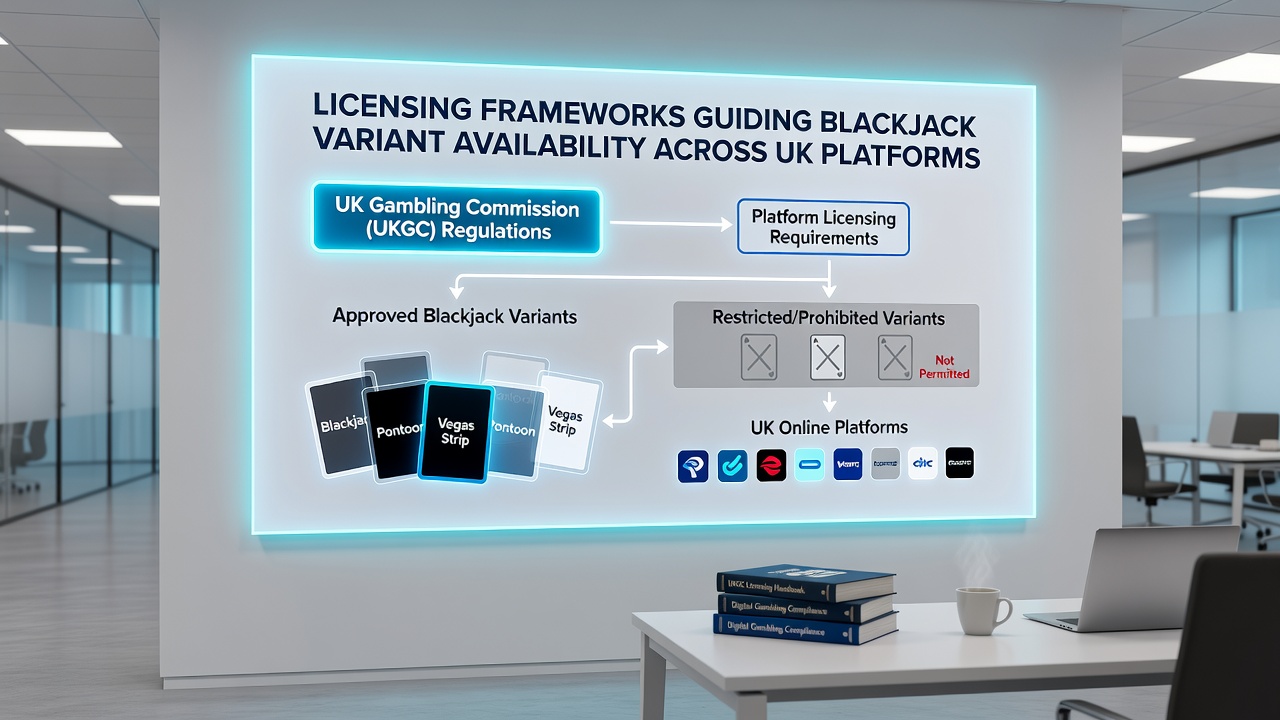
International Influences and Cross-Border Standards
Research conducted by institutions such as the University of Nevada Reno's gaming research division indicates that UK operators often reference frameworks from the Nevada Gaming Control Board when designing variants, since shared testing protocols allow faster integration of approved mechanics like specific insurance rules or resplit allowances into British market games. Nevada Gaming Control Board documentation serves as a benchmark that many international providers adapt to meet UK requirements without starting from scratch.
August 2026 marks the scheduled review period for several cross-jurisdictional agreements, and updates expected then could expand the range of permitted side bet structures on UK platforms by harmonising testing criteria with those used in Australian and Canadian markets, allowing operators to introduce more experimental blackjack hybrids while maintaining compliance.
Practical Effects on Platform Operations
Observers note that smaller operators face longer approval timelines compared with established groups that maintain in-house compliance teams, and this disparity affects the speed at which new variants such as switch or double attack blackjack reach UK users, since each submission demands extensive documentation on probability distributions and player protection measures.
Figures from trade associations reveal that platforms typically allocate several months to the full licensing cycle for a single variant, during which time developers adjust parameters to fit within acceptable risk profiles, and this iterative process ensures that only games meeting all technical and regulatory benchmarks become available for real-money play.
Conclusion
Licensing frameworks continue to shape the selection of blackjack variants across UK platforms by enforcing technical standards, geographic compliance checks, and ongoing audit requirements that collectively determine which games operators can legally offer, and these structures draw on both domestic rules and international benchmarks to maintain consistent player protections while guiding future expansions in game availability.