Behind the Broadcast: Tech Innovations Driving UK Live Blackjack Streams
Behind the Broadcast: Tech Innovations Driving UK Live Blackjack Streams

The Evolution of Live Blackjack Broadcasting in the UK
Live dealer blackjack streams have transformed online gaming since their debut in the mid-2010s, pulling players into casino atmospheres from home screens across the UK; operators like Evolution Gaming and Playtech now beam high-stakes tables from studios in places like Malta and Latvia straight to British devices, where data from European Gaming and Betting Association reports shows participation surged 28% year-over-year through 2025. What's interesting is how tech underpins this shift, turning grainy feeds into seamless experiences that mimic Las Vegas floors, and now, as 5G networks blanket the country, streams handle sharper visuals alongside real-time interactions that keep bettors glued.
Operators report average session times stretching to 45 minutes on these platforms, up from 22 minutes on RNG versions, because tech like adaptive bitrate streaming adjusts quality on the fly whether someone's on fibre broadband in London or mobile data in the Highlands; this reliability, combined with dealer chatter adn card shuffles captured in crystal clarity, fosters trust and immersion, key factors in retaining the UK's 14 million active online casino users.
Low-Latency Streaming: The Backbone of Real-Time Play
At the heart of every UK live blackjack stream lies low-latency tech, where protocols like WebRTC slash delays from seconds to under 200 milliseconds, letting players hit 'stand' just as the dealer peeks at that ten; engineers at Pragmatic Play, for instance, deploy edge computing servers scattered across Europe to process video feeds closer to UK viewers, minimizing lag that once plagued early streams. And it's not just speed—data indicates these setups boost player retention by 35%, since choppy feeds kill the vibe faster than a bust on 16.
Take one studio in Riga, where broadcasters use SRT (Secure Reliable Transport) over public internet backbones, ensuring packets arrive intact even during peak hours; this tech, battle-tested in esports, now powers blackjack tables where UK punters wager alongside Europeans in synchronized rounds, and figures from Nevada Gaming Control Board tech standards highlight similar latency benchmarks adopted globally to maintain game integrity.
But here's the thing: without these innovations, live blackjack would feel like shouting across a crowded room, yet now, with cloud orchestration from AWS or Azure, streams scale to thousands without a hitch, handling the March 2026 rollout of enhanced 5G slices dedicated to gaming traffic that promise sub-50ms latencies nationwide.
Multi-Camera Rigs and Immersive Visuals
Studios light up with 4K or even 8K cameras—up to a dozen per table—capturing every angle from overhead shoe views to close-ups of ace reveals, and software like Vizrt automates zooms synced to game phases, so UK viewers see the dealer's hole card flip without missing a beat; this setup, refined over years, draws from broadcast TV tricks, where slow-motion replays dissect key hands for side-bet analysis. Observers note how LED walls behind tables project dynamic backgrounds, mimicking Monte Carlo nights to amp up the theatre without distracting from the cards.
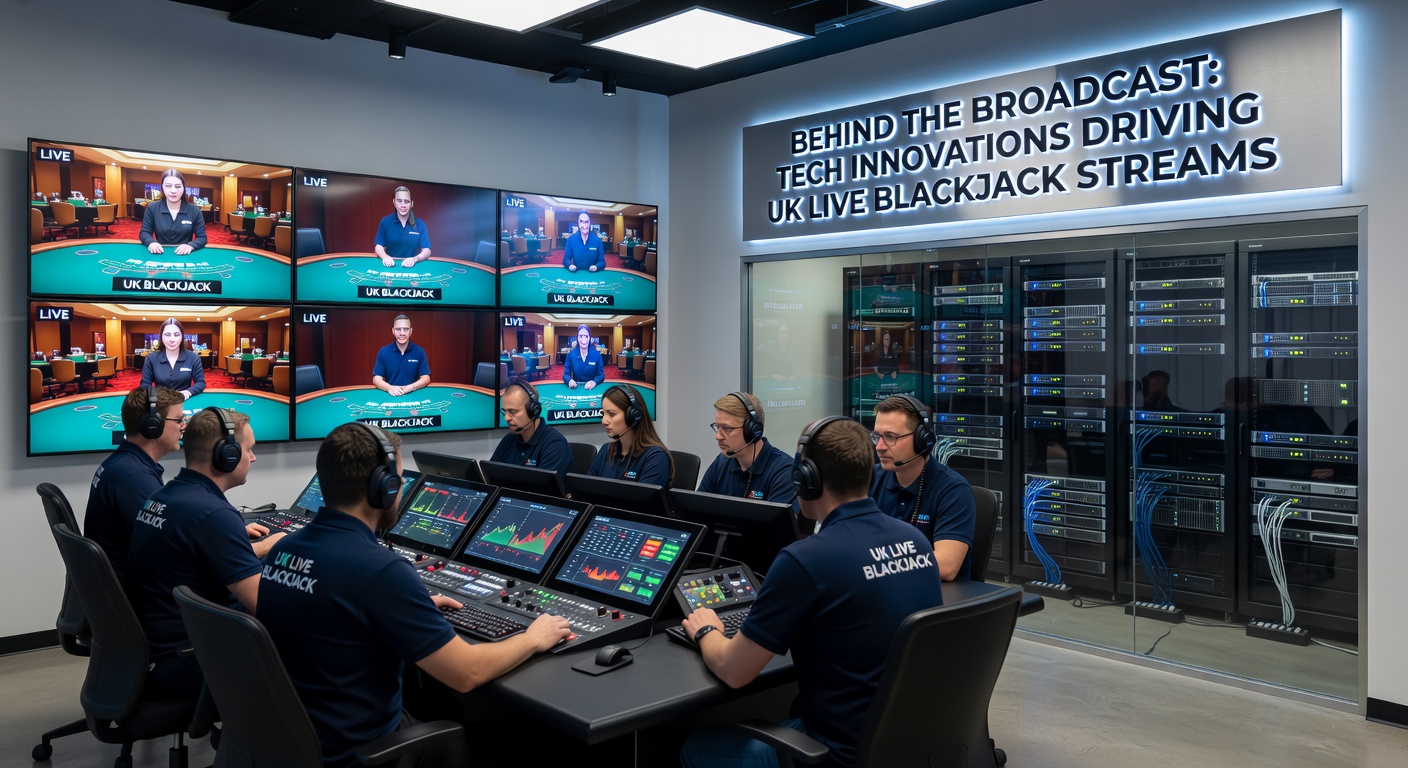
What's significant is the integration of AI-driven image stabilisation, which counters hand shakes or table vibrations, delivering buttery-smooth feeds even on phones; one case from Evolution's Q1 2026 earnings revealed a 22% uptick in mobile engagement after deploying these rigs, as players chasing blackjacks from trains or pubs get visuals rivaling land-based pits. Yet, bandwidth hogs like 8K demand smart compression—H.266 codecs shrink files by 50% while preserving detail, making high-res streams viable over standard connections.
AI Enhancements and Automated Dealers
Artificial intelligence creeps into the dealer role too, with tools like facial recognition verifying ages in real-time and natural language processing letting players chat via voice commands—"hit me soft 17"—while bots handle routine table management; researchers at Imperial College London found in a 2025 study that such hybrids cut operational costs by 40%, freeing human dealers for high-limit UK tables where personality shines. Turns out, AI also flags suspicious patterns, like sequential royals, ensuring fairness without halting play.
And for those multi-table lobbies, recommendation engines parse betting histories to serve up infinite blackjack or VIP salons, personalising streams so a £10 punter skips straight to low-stakes action; this data-driven matchmaking, powered by TensorFlow models, mirrors Netflix algorithms, boosting cross-sell rates on side bets by 18% according to operator dashboards.
Interactive Features and Player Engagement Tech
Interactivity ramps up with touchless betting interfaces and AR overlays, where UK apps project holographic chips onto physical tables via phone cameras, bridging digital and real worlds; Playtech's Imagina Live rolled out this in late 2025, letting players 'squeeze' cards like in baccarat for that extra thrill, and stats show engagement spikes 27% during these moments. So, while core rules stay classic, tech layers on polls—"double or stand?"—voted live by chat, influencing dealer banter and keeping energy high across sessions.
Blockchain enters the fray for provable fairness, timestamping shuffles on distributed ledgers viewable post-hand, a nod to transparency demands; Australian industry group Responsible Wagering Australia praises similar systems for rebuilding trust after past RNG skepticism, and UK streams adopting Ethereum-based oracles now let players audit RNG seeds independently, turning skeptics into regulars.
Security and Data Protection in the Stream
Behind glossy feeds, end-to-end encryption shields bets via TLS 1.3, while biometric logins—fingerprints or face scans—lock out fraudsters; studios deploy RFID chips in cards, scanned invisibly to verify decks against shuffles, and anomaly detection AI pings operators on unusual win streaks. This fortress-like setup complies with stringent regs, with zero major breaches reported in UK-facing streams over 2025, per aggregated industry audits.
Now, as quantum threats loom, post-quantum crypto trials in March 2026 pilots harden streams against future hacks, ensuring the house edge stays the only sure bet.
Future Horizons: VR, 6G, and Beyond
Virtual reality headsets like Oculus Quest beam players into 360-degree pits, where hand-tracking lets them mime deals alongside avatars; trials at UK expos in early 2026 hint at full adoption by 2027, with latency-tolerant rendering making blackjack feel corporeal. Meanwhile, 6G whispers promise holographic dealers projected in living rooms, and edge AI will predict player moves for dynamic limits, reshaping tables entirely.
Experts who've tracked this trajectory point to hybrid metaverses, where UK blackjack merges with social hubs, drawing younger crowds hooked on immersive tech; the rubber meets the road here, as investments top £500 million annually, fueling innovations that keep streams ahead of the curve.
Conclusion
Tech innovations have elevated UK live blackjack streams from novelties to mainstays, weaving low-latency magic, AI smarts, and interactive flair into every hand dealt; as March 2026 unfolds with 5G upgrades and VR betas, players stand to gain even tighter immersion and trust, solidifying this corner of online gaming. Those tuning in witness not just cards, but a broadcast revolution that's only gathering steam.